COA Available
Healing & Recovery In Stock Research Use Only
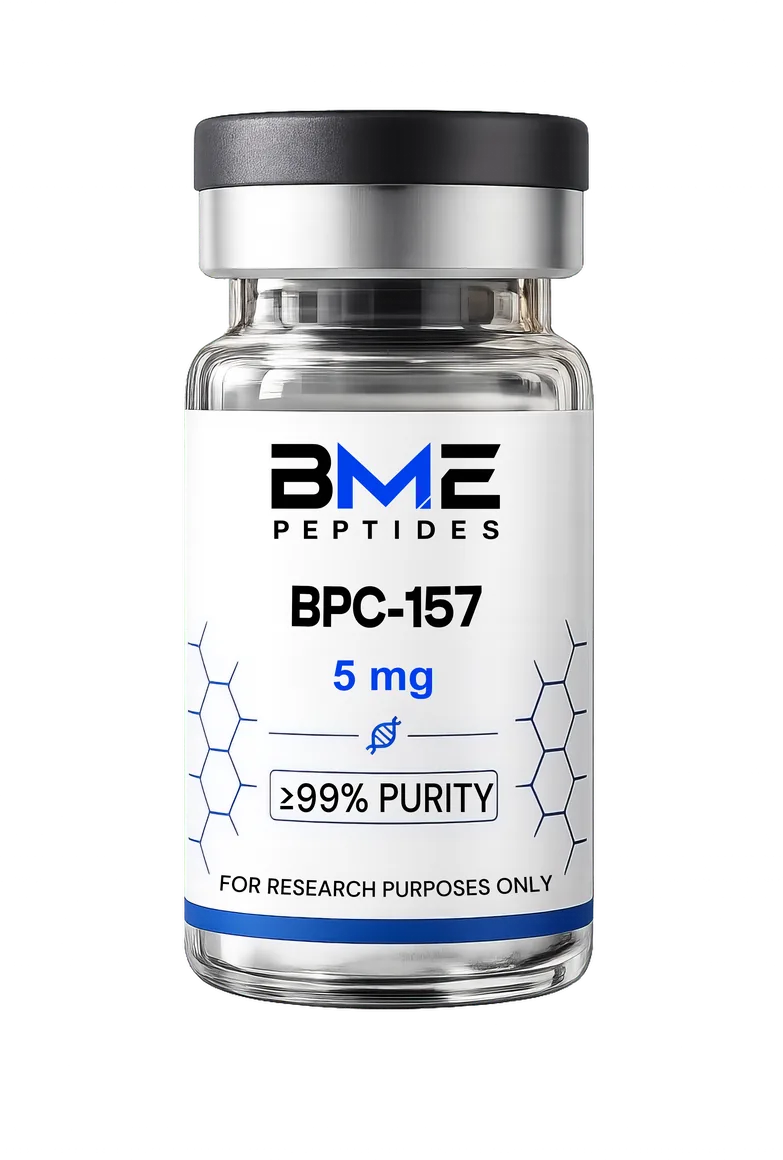
BPC-157
5mg · Lyophilized Powder · Purity ≥99%
BPC-157 is a 15-amino-acid synthetic peptide derived from a protective gastric protein, investigated in tissue integrity, gastrointestinal function, and cellular repair research models.
$49.99 CAD
Purchase Options
Subscriptions can be managed from your customer account. Prices in CAD.
Research Overview
BPC-157 (Body Protection Compound-157) is a stable synthetic analogue studied across a range of in-vitro and in-vivo preclinical research settings. Research interest centres on its interactions with tissue integrity pathways, gastrointestinal mucosal function, and cellular signalling involved in repair processes. This vial contains 5mg of BPC-157 supplied as a lyophilized powder with a documented purity of ≥99%, manufactured under quality-controlled conditions. Batch-level testing documentation is referenced in the COA tab above. This product is supplied exclusively for laboratory and research use — not for human or animal consumption.
BPC-157 belongs to a class of synthetic peptides studied in preclinical models focused on tissue homeostasis and repair signalling. Published research has investigated its interactions with growth factor pathways, nitric oxide systems, and angiogenic processes in cell and animal model contexts. It is among the more widely studied compounds in gastrointestinal and musculoskeletal repair research literature. All references to research outcomes pertain to preclinical laboratory models and do not represent evidence of clinical efficacy or safety in humans.
Specifications
| Compound | BPC-157 |
| Format | Lyophilized Powder |
| Size | 5mg |
| Purity (HPLC) | ≥99% |
| Item # | BME-BPC157-A |
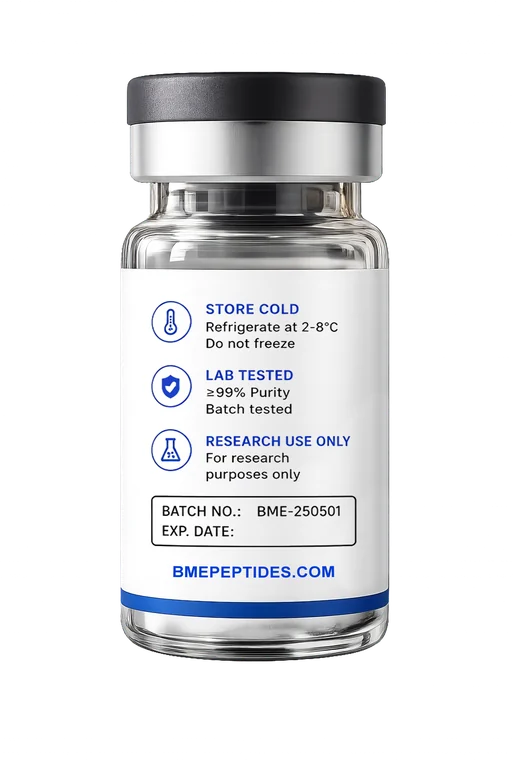
| Storage | −20°C, dry, dark |
| Price (CAD) | $49.99 |
COA / Testing
Batch documentation and third-party testing information are available for batch BME-BPC157-A. COA previews appear only when documentation exists for the active batch.
Storage & Handling
Store lyophilized BPC-157 powder at −20°C in a sealed container, protected from light and moisture. Avoid repeated freeze-thaw cycles, which may degrade peptide integrity over time. Once prepared for research use, handle in accordance with your laboratory's standard protocols for peptide-based compounds. Consult current peer-reviewed handling guidelines relevant to your research application.
Shipping & Returns
Orders are processed on business days. Packaging is selected to maintain compound integrity in transit. Shipping timelines and return conditions are outlined in full in the Shipping & Returns policy — review before checkout if you have specific requirements. For orders with time-sensitive research schedules, contact support before placing your order.
Research Use Disclaimer
This product is supplied strictly for in-vitro and laboratory research use. It is not a drug, food supplement, or cosmetic and is not approved for human or veterinary clinical applications, diagnostics, or therapeutic use. Researchers are responsible for compliance with all applicable institutional and regulatory requirements in their jurisdiction.
Preparation Reference Guide
Research Solution Reference Calculator
Pre-filled with 5mg. Enter your solvent volume and target amount to see concentration and units on a U-100 syringe scale.
Concentration—
Volume to draw—
Syringe units (U-100)—
Per insulin unit—
For research-use calculations only. Always verify measurements independently — not medical guidance.
Questions before you order?
Browse the FAQ for documentation, storage, and sourcing answers, or contact our support team directly. We aim to respond to all research procurement inquiries within one business day.
FAQ
Frequently Asked Questions
BPC-157 is a 15-amino-acid synthetic peptide derived from a sequence found in human gastric juice. Investigated in preclinical research examining tissue integrity, gastrointestinal function, and cellular repair signalling. All research applications reference in-vitro and animal model contexts.
Supplied at ≥99% purity, confirmed through batch-level analytical testing. A Certificate of Analysis (COA) is available in the COA tab for independent verification of the specific batch. Researchers are encouraged to review documentation before use in any protocol.
Yes. Batch-specific testing documentation is accessible via the COA tab on this page. The COA includes purity, identity, and relevant analytical data for research verification purposes. Documentation is updated per production batch.
Store at −20°C, away from direct light and moisture, in the original sealed vial until use. Avoid repeated freeze-thaw cycles to preserve peptide stability. Refer to current laboratory handling guidelines for peptide storage best practices specific to your research setting.
Related